PreK–12 Educators
Learn about class tours that promote arts integration across subjects and professional development opportunities for educators.
Class Tours
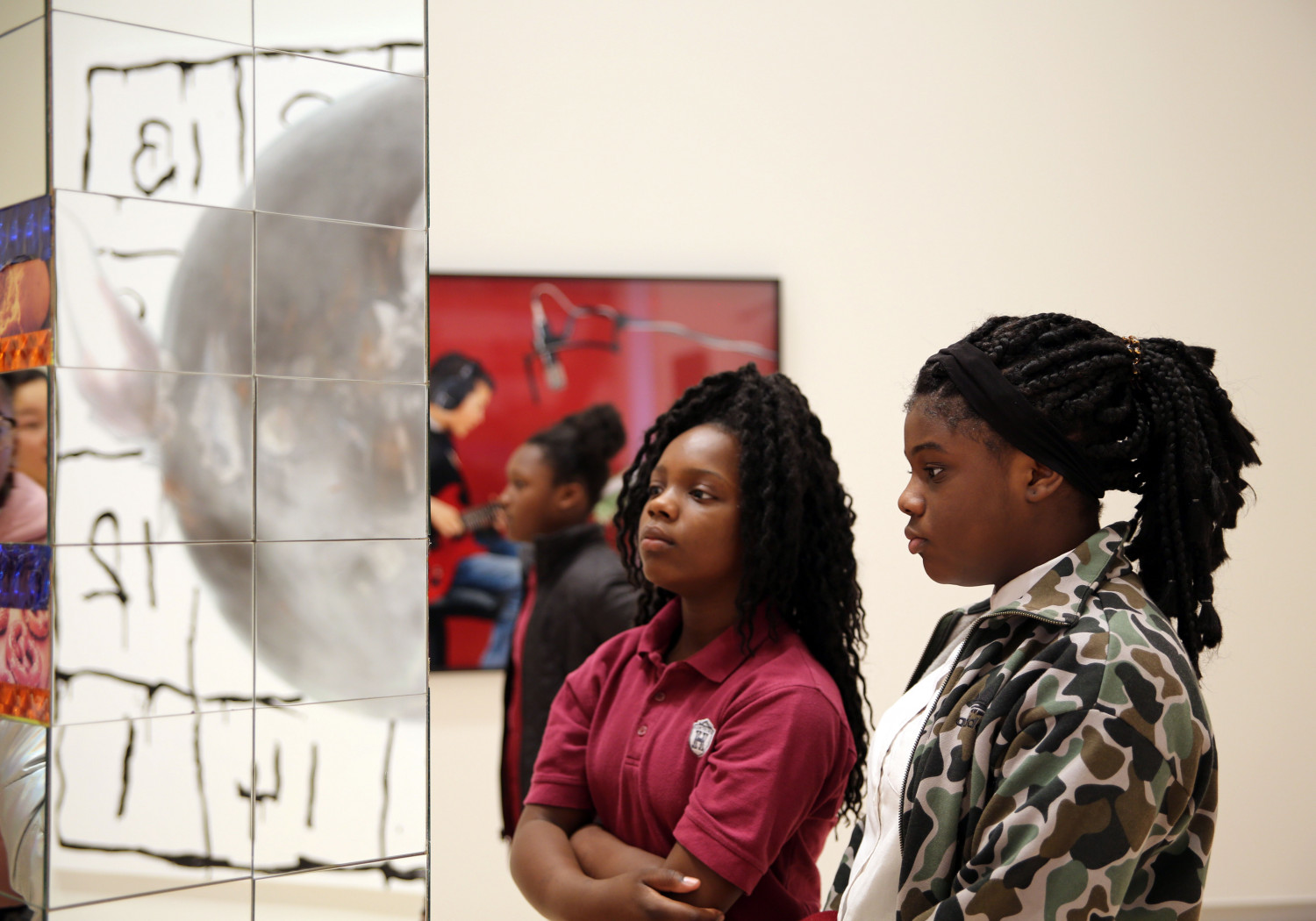
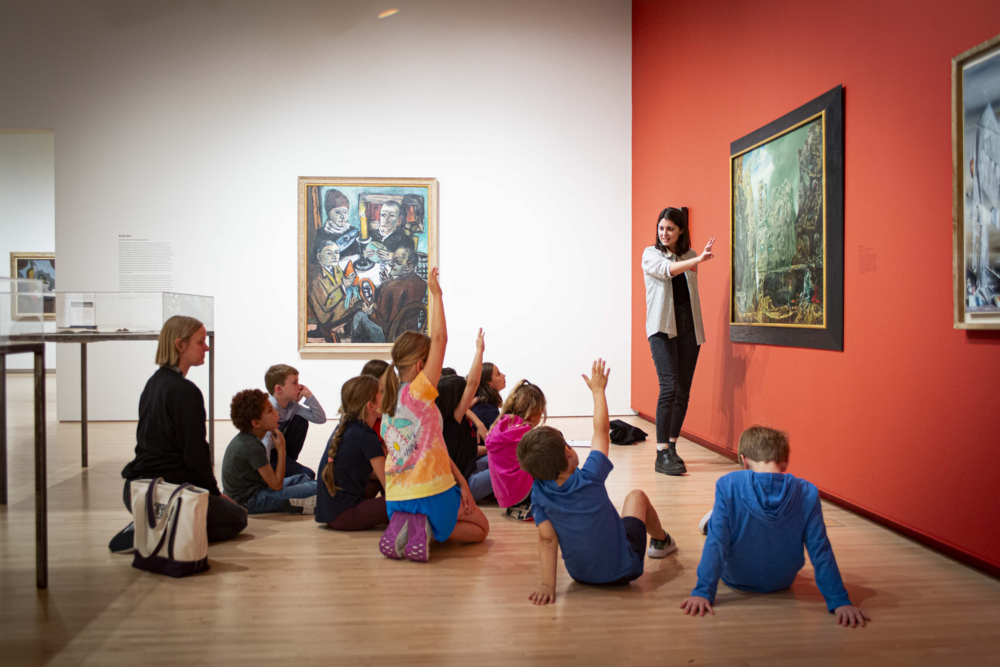
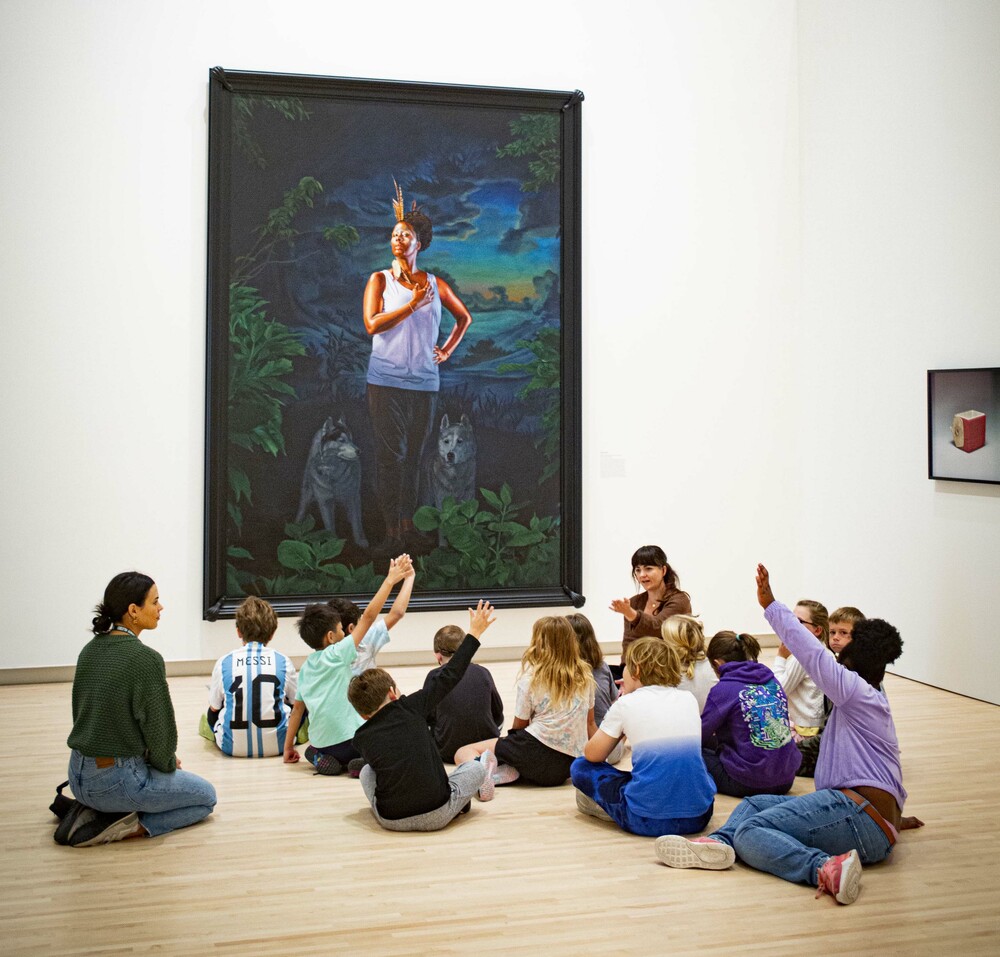
Bring your class to the Museum! Tours at the Mildred Lane Kemper Art Museum incorporate close looking, inquiry-based conversations, and creative response activities that support different learning styles. Students are invited to be curious, hands-on learners, drawing connections among art, the classroom, and their lives. Museum tours are aligned with Missouri Learning Standards and designed to support arts integration across the curriculum. We can customize tours for PreK–12 audiences to meet the goals of your group.
Museum admission and tours are free of charge. Missouri Art Council's Big Yellow School Bus Grant can cover up to $500 of transportation costs for PreK–12 school field trips to the Museum. Learn more here.
Tour Topics
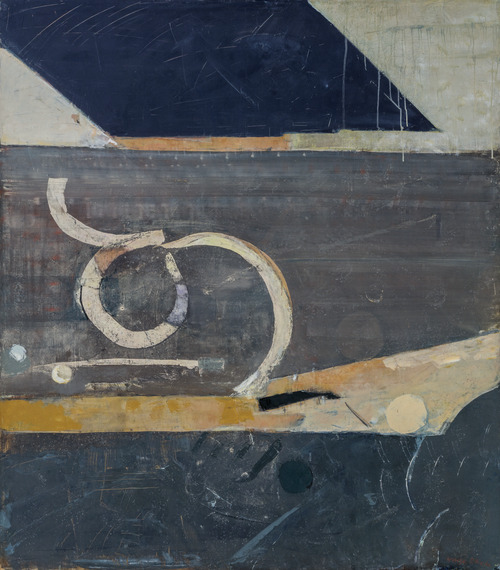
Become an art explorer across space and time! This flexible program offers an introduction to the museum and its collections for students of all ages and can be tailored to make connections between works of art and different curricular concepts or themes, such as the elements of art and the beauty of the everyday. Students are encouraged to follow their interests and curiosity as they confidently explore the world of art through close looking and hands-on activities.
Missouri Learning Standards
Specific learning standards may vary based on grade level and artworks included in the tour.
Visual Arts (K-12)
VA:Pr6A
VA:Re7A
VA:Re7B
VA:Re8A
Math (K-5)
NS.B
GM.A
GM.C
ELA (K-5)
R.1.A
R.1.B
R.1.C
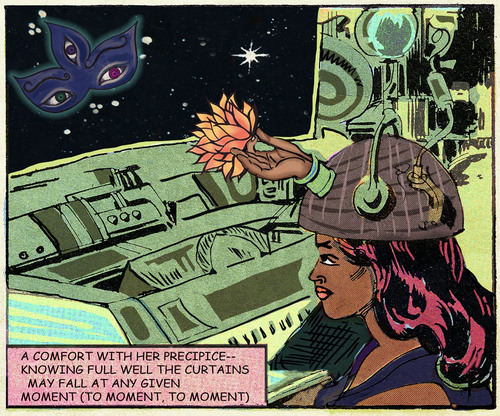
Explore how artists tell stories with images. Students strengthen reading, writing, speaking, and listening skills and build vocabulary by putting their interpretations of artworks into words through writing prompts, interactive activities, and group discussion.
Missouri Learning Standards
Specific learning standards may vary based on grade level and artworks included in the tour.
Visual Art (3-12)
VA:Re7A
VA:Re7B
VA:Re8A
ELA (3-5)
R.1.A
R.1.B
R.1.C
W.2.C
SL.1.A
SL.3.A
ELA (6-12)
RL.1.A
RL.1.B
RL.1.C
RL.2.B
RL.3.A
RL.3.B
RL.3.C
W.2.A
SL.1.A
SL.1.B
SL.1.C
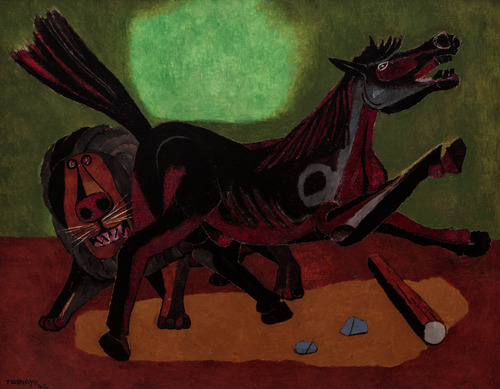
Engaging with art offers a myriad of ways to build Social and Emotional Learning (SEL) competencies, including self- and social awareness and relationship skills. Students will identify and express their own thoughts, emotions, and values and consider multiple perspectives while interpreting works of art that evoke empathy and respect. Reflective writing, group discussion, artmaking, and kinesthetic activities support multiple learning styles.
Missouri Learning Standards
Specific learning standards may vary based on grade level and artworks included in the tour.
Visual Arts (3-12)
VA:Cr1A
VA:Re7A
VA:Re7B
VA:Cn10A
Personal and Social Development (3-12)
PS1.A.a
PS1.C.a
PS2.A.a
PS2.B.a
PS3.C.a
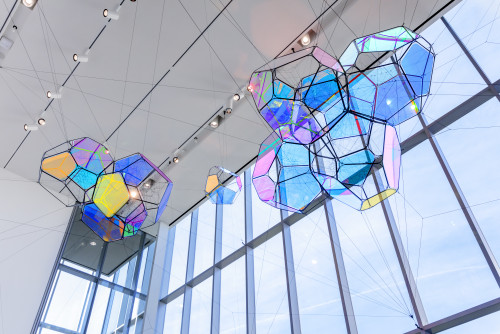
Discover intersections between art and science, technology, engineering, and math. Students encounter a variety of artistic materials and methods, consider the similarities between how artists and engineers approach problems, and learn about how artists across cultures and time periods have incorporated mathematic and scientific principles into their artmaking.
Missouri Learning Standards
Specific learning standards may vary based on grade level and artworks included in the tour.
Visual Arts (3-12)
VA:Cr1A
VA:Cr2A
VA:Cn10A
Science (3-12)
ETS1.A
ETS1.B
Math (3-12)
GM.A
GM.B

Explore how artists call attention to social, political, and cultural issues, disrupt the status quo, and advocate for change. Students consider how art connects to their own lives and to issues of personal and social importance, while critically engaging with history, cultivating understanding of social responsibility, and orienting towards social justice.
Missouri Learning Standards
Specific learning standards may vary based on grade level and artworks included in the tour.
Visual Arts (6-12)
VA:Re7A
VA:Re7B
VA:Re8A
VA:Cn11A
Social Studies (6-12)
WH.1.CC.B
WH.1.PC.A
WH.1.PC.B
WH.5.PC.C
AH.1.CC.B
AH.1.PC.A
AH.1.PC.B
AH.5.PC.A
AH.6.PC.A
G.4.CC.C
go to AMPLIFY page
New Tour Offering
AMPLIFY
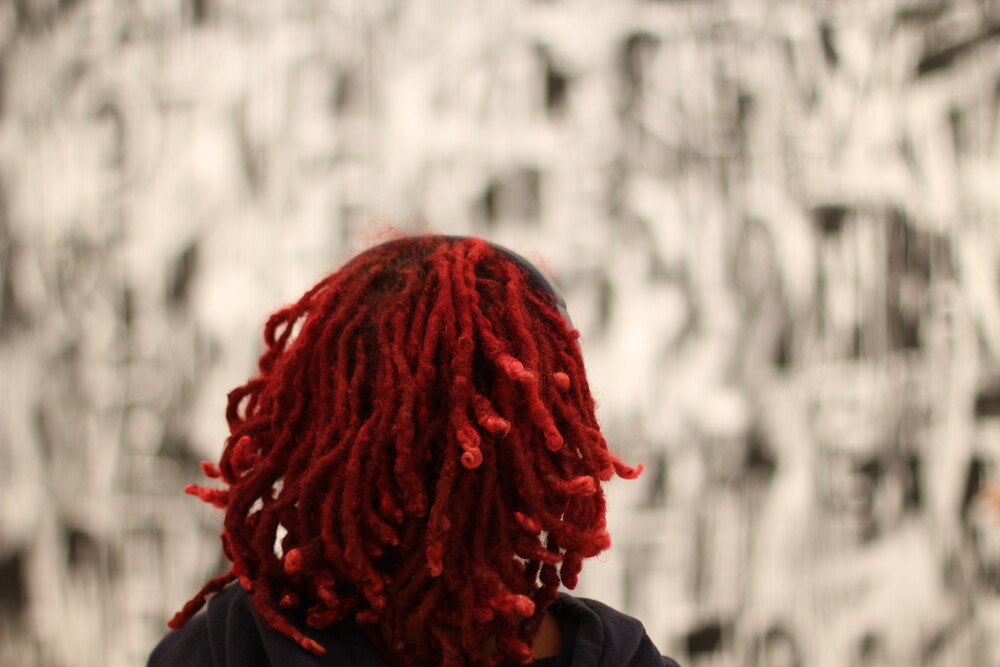
This joint program by the Contemporary Art Museum St. Louis, the Mildred Lane Kemper Art Museum, the Pulitzer Arts Foundation, and the Saint Louis Art Museum, invites middle and high school students to explore different aspects of art and social justice through interactive tours and art-making.
Professional Development
The Kemper Art Museum offers thematic educator workshops open to all area educators and collaborates with schools and districts to craft custom professional development sessions, which may focus on arts integration across the curriculum, strengthening skills and reflecting on pedagogy, or team building and fostering community.
For information on upcoming teacher workshops or to plan a custom professional development session, please contact Olivia Mendelson, assistant educator, at mendelson.olivia@wustl.edu.
Frequently Asked Questions
Have any questions regarding PreK–12 class tours? We hope our list of frequently asked questions will help to clarify. If you can’t find the answer to your question below, please contact Olivia Mendelson, assistant educator, at mendelson.olivia@wustl.edu.
Tours are generally designed to last about an hour, but length can vary based on your availability and the program we develop to fit the needs of your group. Our educators are trained in inquiry-based teaching, and they will engage your students through discussion and activities. At the Museum your class will focus on a selection of works that best address the goals of your visit.
For a guided tour, either a member of the Education Department or a trained Washington University student educator will guide your students through the Museum.
Yes, student groups from grades four and above are welcome to self-guide. A self-guided tour is directed by the visiting students’ teacher rather than Museum staff. The Education Department can provide resources to help teachers prepare for their self-guided visits.
We can accommodate groups of up to 60 students at a time, which will be divided into smaller groups within the galleries. Groups larger than 60 will be asked to schedule rotations at different times to ensure a quality experience for all.
Please arrange to have one adult chaperone for every 15 students.
Unfortunately, lunchroom facilities are not available in the Museum or in the surrounding buildings. During the academic year, groups are welcome to purchase lunches at one of the dining facilities on campus. Groups may bring bag lunches and eat outside the Museum in Tisch Park.
Cars
Visitor parking is available in Washington University’s East End Garage at Forsyth and Wrighton Way for an hourly fee on weekdays. Exit the garage via the stairs at the southeast corner or via the elevator to the Sumers Welcome Center. If the East End Garage is full, you may park in the Danforth University Center (DUC) Garage, further west on Forsyth. Free parking is available on campus on weekday evenings, beginning at 5 pm, and on weekends.
Buses
Buses may drop off passengers at the Museum via the Brookings Drive circle, located off of Skinker Boulevard. Buses should then proceed to park in the West Campus surface parking lot at 7425 Forsyth Boulevard until time to return to retrieve passengers from the Museum. If you intend to travel to the Museum by bus, please inform Museum staff when booking your tour so that they may register the bus with the Washington University Parking & Transportation Office.
Wheelchairs, electric scooters, and service animals are welcome in the Museum. Free manual wheelchairs and large-print labels are available at the Welcome Desk. Accessible parking and an elevator are available in Washington University’s East End Garage, a short distance from the Museum. American Sign Language interpretation will be arranged for groups upon request with two weeks’ notice.
When you arrive at the Museum, please check in at the Welcome Desk just inside the north entrance. Museum staff can help you check any coats, large bags, backpacks, or umbrellas in our coat check, and will provide stickers for members of your group to wear during the visit. Please provide an attendee count to the staff member when checking in. For guided tours, your educator will meet you at the entrance.
If you are running late, please call the Welcome Desk at 314.935.4523. A group that arrives more than 20 minutes after the scheduled tour time for a guided tour may take a self-guided tour.
Educator eNews
Stay in touch! Subscribe to the Museum's PreK–12 eNews to receive information about special programming, events, and other resources for teachers and students.
Related Content
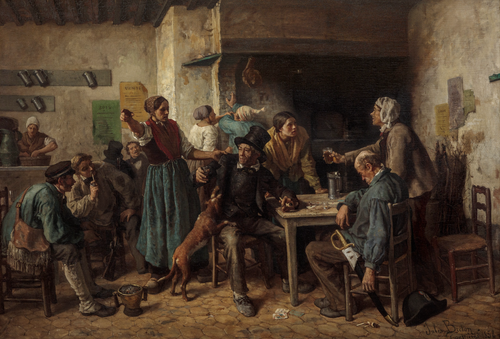
go to Guided Close Looking: Fernand Léger, “Les grands plongeurs” page
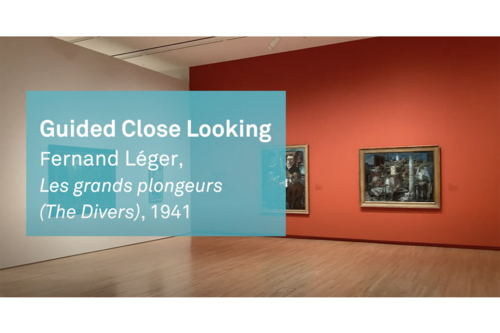
Learning
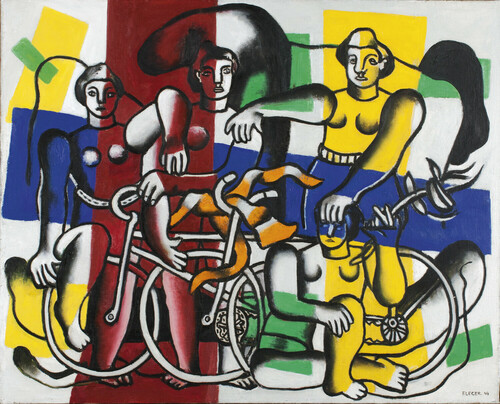
Guided Close Looking: Fernand Léger, “Les grands plongeurs”
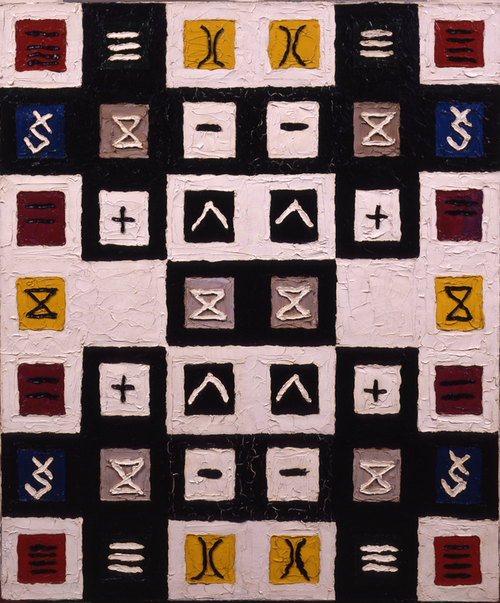
go to Guided Close Looking: Rodney McMillian, “Untitled (Clouds)” page
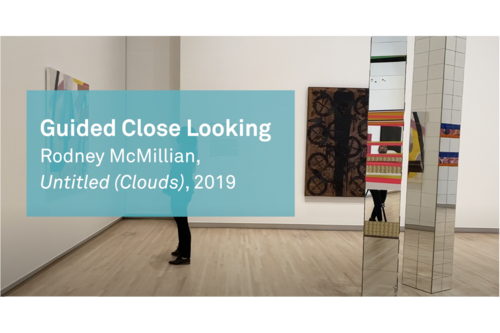
Learning
Guided Close Looking: Rodney McMillian, “Untitled (Clouds)”
go to 19th- and Early 20th-Century American and European Art page
Learning
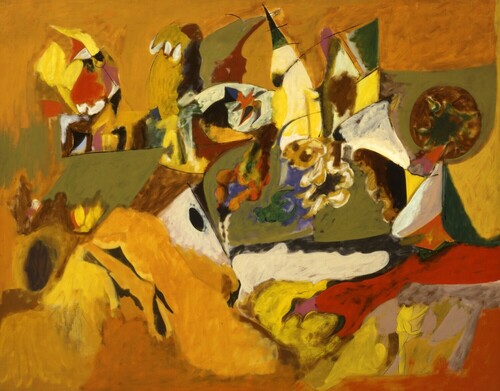
19th- and Early 20th-Century American and European Art
go to Guided Close Looking: Willem de Kooning, “Saturday Night” page
Learning
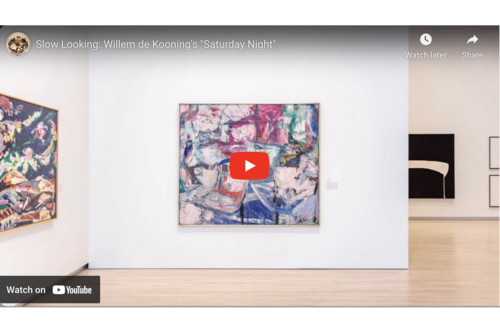
Guided Close Looking: Willem de Kooning, “Saturday Night”
go to Across Past, Present, and Future: Art by Black Artists page
Learning
.png)